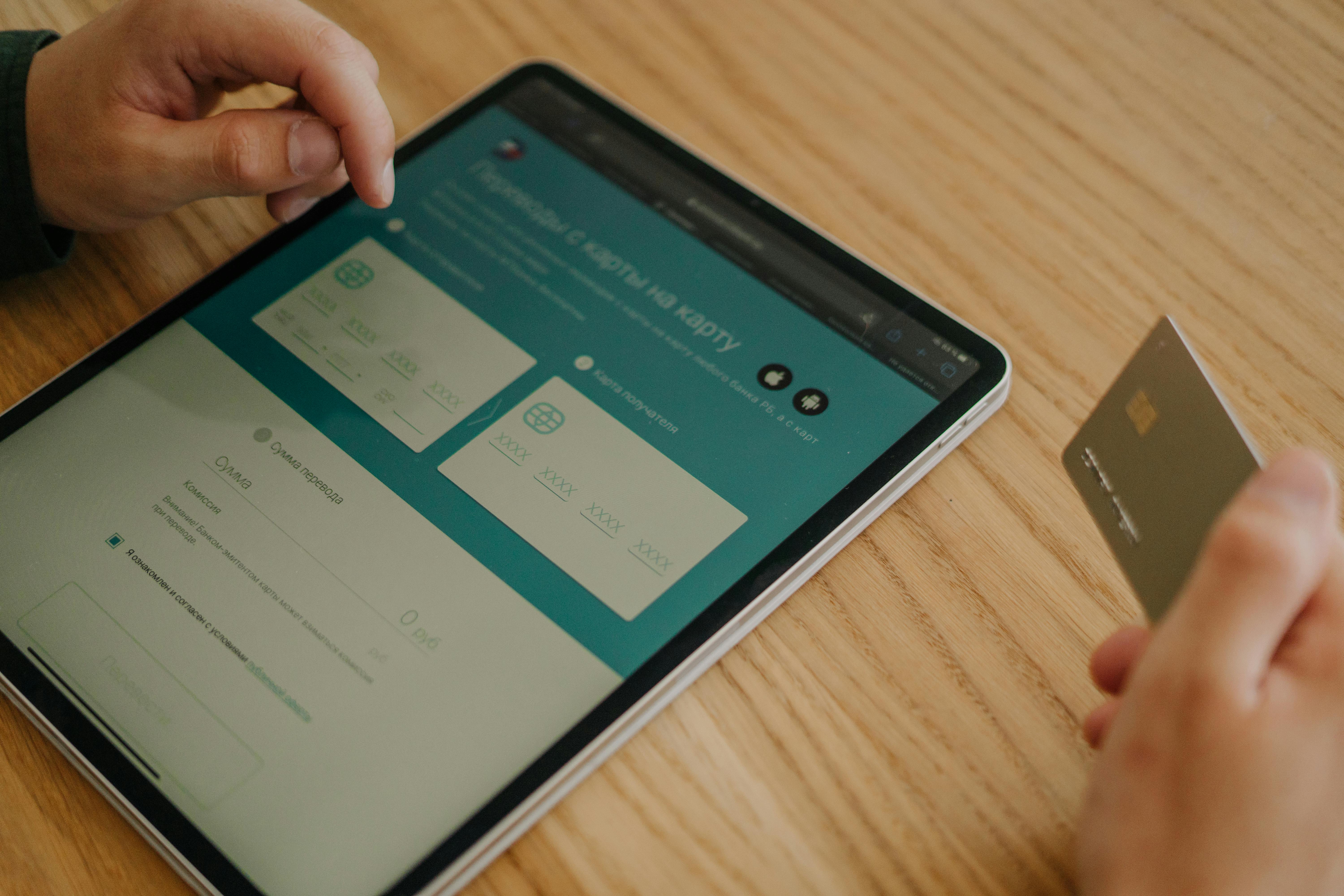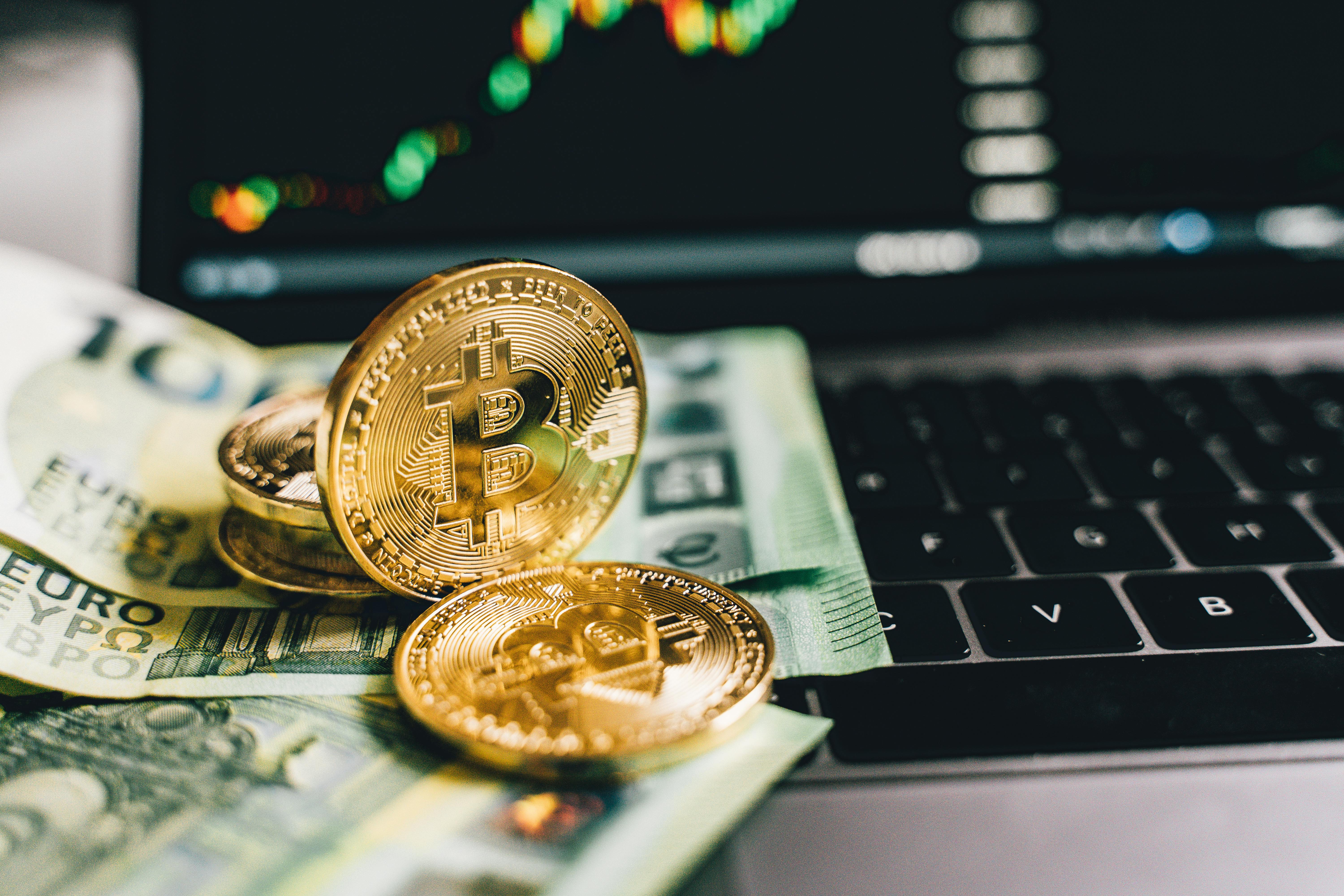

Fintech explained in plain language simply means using technology to make money move smarter, faster, and with fewer middlemen. A decade ago, opening a bank account, applying for a loan, or sending money abroad meant paperwork, branch visits, and waiting days for confirmation. Today a teenager with a smartphone in Lagos, London, or Lahore can open a digital wallet in minutes, invest spare change automatically, and send funds across borders before their coffee gets cold.
That shift, from paper-based banking to software-driven finance, is the entire story of fintech, and it is still being written. This article breaks down what fintech actually is, how it works behind the scenes, where the real risks lie, and what the next five years of financial services are likely to look like. The goal is not to repeat buzzwords you have already heard a hundred times, but to give you a grounded, practical understanding you can actually use.
What Is Fintech and Why Does It Matter
1. A Quick, Honest Definition
Fintech, short for financial technology, refers to any company or platform that uses software, data, and digital infrastructure to deliver banking, payments, lending, investing, or insurance services. It is not a single product. It is an umbrella covering everything from the app you use to split a dinner bill to the algorithm a bank uses to decide whether you qualify for a mortgage. What makes fintech different from a bank simply having a website is intent. Traditional banks digitised existing processes. Fintech companies rebuilt those processes from scratch around speed, data, and user experience, often without owning a single physical branch.
2. From Niche Startups to Core Infrastructure
Fintech used to mean a handful of scrappy startups trying to disrupt big banks. That framing is outdated. Industry analysts including Grand View Research and the Boston Consulting Group estimate the global fintech market sits somewhere between 340 billion and 460 billion dollars in 2026, depending on how broadly “fintech” is defined, with growth rates between 16 and 22 percent a year. The wide range itself tells you something important: fintech has grown so fast and so broadly that even researchers struggle to draw its exact boundaries. It is no longer a sector sitting beside banking. It is the infrastructure banking now runs on. If you want a broader look at how digital tools are reshaping money itself, our guide on how technology is changing mone is a useful companion piece to this article.
How Fintech Is Reshaping Everyday Financial Services
1. Digital Payments and Mobile Wallets
Payments were fintech’s first big win and remain its largest segment, accounting for roughly half of all fintech revenue worldwide. Contactless cards, QR codes, and mobile wallets have made cash feel optional in many cities. In India, the UPI network alone now processes billions of transactions every month, a scale that would have been unthinkable for a card network a decade ago. Closer to home for many readers, services like Paytm show how a single wallet app can combine bill payments, recharges, and merchant transactions into one habit-forming experience. We covered this in detail in our piece on the benefits of Paytm mobile wallet
2. Online Banking and Neobanks
Neobanks, digital-only banks with no physical branches, have moved from novelty to mainstream. Revolut, Monzo, and N26 in Europe, and Chime in the US, now serve tens of millions of customers each. Profitability among major neobanks has also improved sharply, with industry trackers reporting that close to 40 percent of leading digital banks are now profitable, up from barely 12 percent a few years earlier. That matters because it signals neobanks are no longer subsidised experiments. They are competing on real economics.
3. Lending, Credit Scoring, and Buy Now Pay Later
Fintech lenders use alternative data, things like utility payments or mobile top-up history, to assess creditworthiness for people who lack a traditional credit file. This has opened credit to millions who banks previously ignored. Buy Now Pay Later has grown alongside this trend, now used by roughly a third of online shoppers globally, though regulators in dozens of countries have started requiring proper credit checks before BNPL loans are approved, a sign the sector is maturing rather than going away.
4. Investing and Wealth Management Apps
Robo-advisors and fractional share investing have lowered the entry point for building a portfolio from thousands of dollars to a few coins. Apps now rebalance portfolios automatically, harvest tax losses, and round up purchases into micro-investments. The same logic applies to crypto-adjacent investing, which we break down further in our guide to how buying and investing work with Bitcoin.
5. Insurance Technology (Insurtech)
Insurtech applies the same playbook to insurance: usage-based car insurance priced by actual driving data, instant claims processed by AI image recognition instead of a weeks-long adjuster visit, and micro-insurance products sold for pennies through mobile apps in markets that traditional insurers never bothered to serve.
The Technology Powering Modern Fintech
| Technology | What It Does | Real-World Example |
|---|---|---|
| Artificial Intelligence | Detects fraud, automates underwriting, personalises advice | AI-based fraud scoring on card transactions |
| Blockchain | Enables transparent, tamper-resistant record keeping | Cross-border stablecoin settlement |
| Open Banking APIs | Lets apps securely access bank data with consent | Budgeting apps pulling data from multiple banks |
| Cloud Computing | Provides scalable, low-cost infrastructure | Neobanks running entirely without data centres of their own |
Open banking deserves a special mention because it quietly changed the rules of the game. Regulations in the UK, EU, and increasingly elsewhere now require banks to let customers share their own financial data with approved third parties through secure APIs. That single rule change is why one app can now show you balances from five different banks on one screen, something that was technically and legally impossible fifteen years ago.
Real Benefits Fintech Brings to Consumers and Businesses
- Faster account opening, often in under ten minutes with no paperwork
- Lower fees on international transfers compared with traditional banks
- Access to credit and savings tools for people without a formal banking history
- Real-time spending insights that build better financial habits
- Embedded finance, meaning loans, insurance, or payment options built directly into the apps and websites you already use
- Round-the-clock customer support through chat and AI assistants rather than branch hours
Risks and Challenges Fintech Still Needs to Solve
Cybersecurity and Fraud
More digital touchpoints mean more attack surfaces. Phishing remains the single most common way fraudsters steal banking credentials, which is exactly why basic digital hygiene matters as much as the technology itself. If you have not reviewed your habits recently, our guides on how to prevent phishing attacks and cybersecurity for beginners are worth ten minutes of your time before you link a new fintech app to your bank account.
Regulation and Compliance
Fintech innovation regularly outpaces regulation, which creates real consumer risk. BNPL is a good example: it scaled for years with light oversight before regulators in numerous countries stepped in to mandate credit checks. Crypto exchanges followed a similar path. Trustworthy fintech platforms are the ones that lean into compliance early rather than treating it as an obstacle.
Financial Inclusion Gaps
Despite the hype, fintech has not closed every gap. According to the World Bank’s Global Findex Database, global account ownership has reached around 79 percent of adults, yet roughly 1.3 billion people remain unbanked, with more than half of them concentrated in just eight countries. Mobile money has helped, especially across Sub-Saharan Africa, but smartphone cost, patchy internet access, and low digital literacy still lock out a meaningful share of the world’s population. Fintech’s promise of inclusion is real, but it is not finished business.
The Future of Financial Services: What Comes Next
Embedded Finance Everywhere
Expect financial products to keep disappearing into the background of other apps. Booking a flight and getting trip insurance bundled in, buying furniture and getting installment financing at checkout, ordering inventory as a small business and getting a credit line offered automatically. Analysts project embedded finance transaction volumes could reach into the trillions of dollars within the next few years as more non-financial platforms quietly become financial ones.
AI-Driven Personal Finance
The next wave of fintech apps will move from showing you data to acting on it. Instead of an app telling you that you overspent on dining out, expect tools that automatically adjust savings transfers, renegotiate subscription prices, or flag a better insurance rate before you ask. This is less about flashy AI and more about quietly removing decision fatigue from everyday money management.
Stablecoins and Digital Currencies
Cross-border payments remain slow and expensive through traditional banking rails, which is why stablecoins and central bank digital currencies are gaining real traction for remittances and trade settlement. Several major economies are piloting digital currency projects, and adoption in cross-border corridors is growing year over year as businesses look for faster, cheaper alternatives to legacy wire transfers.
How to Get Started With Fintech Safely
Adopting fintech tools sensibly is more about discipline than technical skill. Stick to a few simple habits:
- Only download apps from official app stores and check their regulatory licensing before linking a bank account
- Turn on two-factor authentication everywhere it is offered
- Avoid clicking payment links sent through SMS or social media, since these are common phishing entry points
- Read what data permissions you are granting before connecting one app to another through open banking
- Spread savings across more than one provider rather than trusting a single neobank with everything If privacy is a concern, it is also worth reviewing general habits around avoiding unintentional personal data sharing online, since fintech apps often request more permissions than people realise.
Frequently Asked Questions
What is fintech explained in one sentence?
Fintech is the use of software and digital infrastructure to deliver financial services like payments, lending, investing, and insurance faster and more efficiently than traditional banking methods.
Is fintech the same as cryptocurrency?
No. Cryptocurrency and blockchain are one part of fintech, but the industry also includes mobile banking, digital payments, robo-advisors, insurtech, and lending platforms that have nothing to do with crypto.
Are fintech apps safe to use?
Most regulated fintech apps use bank-grade encryption and are licensed by financial authorities, but safety also depends on user behaviour, such as using strong passwords and avoiding phishing links.
Why are traditional banks investing in fintech instead of competing with it?
Many banks have found it faster and cheaper to partner with or acquire fintech firms rather than rebuild their own technology from scratch, which is why collaboration is now more common than outright rivalry.
What is the biggest challenge facing fintech right now?
Balancing rapid innovation with proper regulation is the industry’s biggest ongoing challenge, particularly in areas like Buy Now Pay Later and cryptocurrency where rules are still catching up with adoption.
Final Thoughts
Fintech explained simply is the story of finance becoming software. It has made payments instant, lending more inclusive, and investing accessible to people who were priced out a generation ago. It has also introduced new risks around fraud, data privacy, and regulatory gaps that did not exist in the branch-banking era. Understanding fintech today is no longer optional knowledge reserved for investors or tech enthusiasts. It shapes how most people will save, borrow, and spend money for the rest of this decade, and the smartest move is to use these tools with curiosity and caution in equal measure.